


7 Micromarketing Examples: Proven Strategies to Target the Right Audience

Micromarketing examples show how businesses can target specific audiences instead of marketing to everyone. Instead of wasting budget on broad campaigns, micromarketing focuses on highly targeted groups that are more likely to convert.
In this guide, you’ll learn real micromarketing examples, strategies, and step-by-step methods to improve your marketing results and increase conversions.
Best Micromarketing Examples for Small Businesses
Introduction
Most businesses fail at marketing for one simple reason:
They try to talk to everyone.
Micromarketing flips that approach.
Instead of broadcasting your message to a wide audience, micromarketing focuses on small, highly specific customer segments and speaks to them directly.
This isn’t just a strategy. It’s how modern brands win.
In this guide, you’ll learn:
- What micromarketing actually means (without fluff)
- Real-world examples that work
- How to implement it step-by-step
- Where most people mess it up
What are micromarketing examples?
Micromarketing examples include targeting customers in a specific location, sending personalized email campaigns, retargeting ads, and promoting products to niche audiences based on their behavior or interests.
What is micromarketing?
Micromarketing is a strategy where businesses target a small, specific group of customers with personalized messaging to increase conversions and reduce marketing waste.
- Location
- Behavior
- Interests
- Demographics
- Buying patterns

Instead of: “We sell fitness products for everyone.”
You say: “We help busy working mothers lose weight in 30 minutes a day.”
That’s micromarketing.
Key Idea:
The smaller the audience → the stronger the message → the higher the conversion.
Benefits of Micromarketing
- Higher conversion rates due to targeted messaging
- Lower marketing costs
- Better customer engagement
- Improved ROI
- Stronger brand connection with niche audience
Tools for Micromarketing
Some tools that help implement micromarketing:
- Google Ads (location targeting)
- Facebook Ads Manager (audience segmentation)
- Email marketing tools like Mailchimp
- CRM tools for customer behavior tracking
Micromarketing vs Mass Marketing
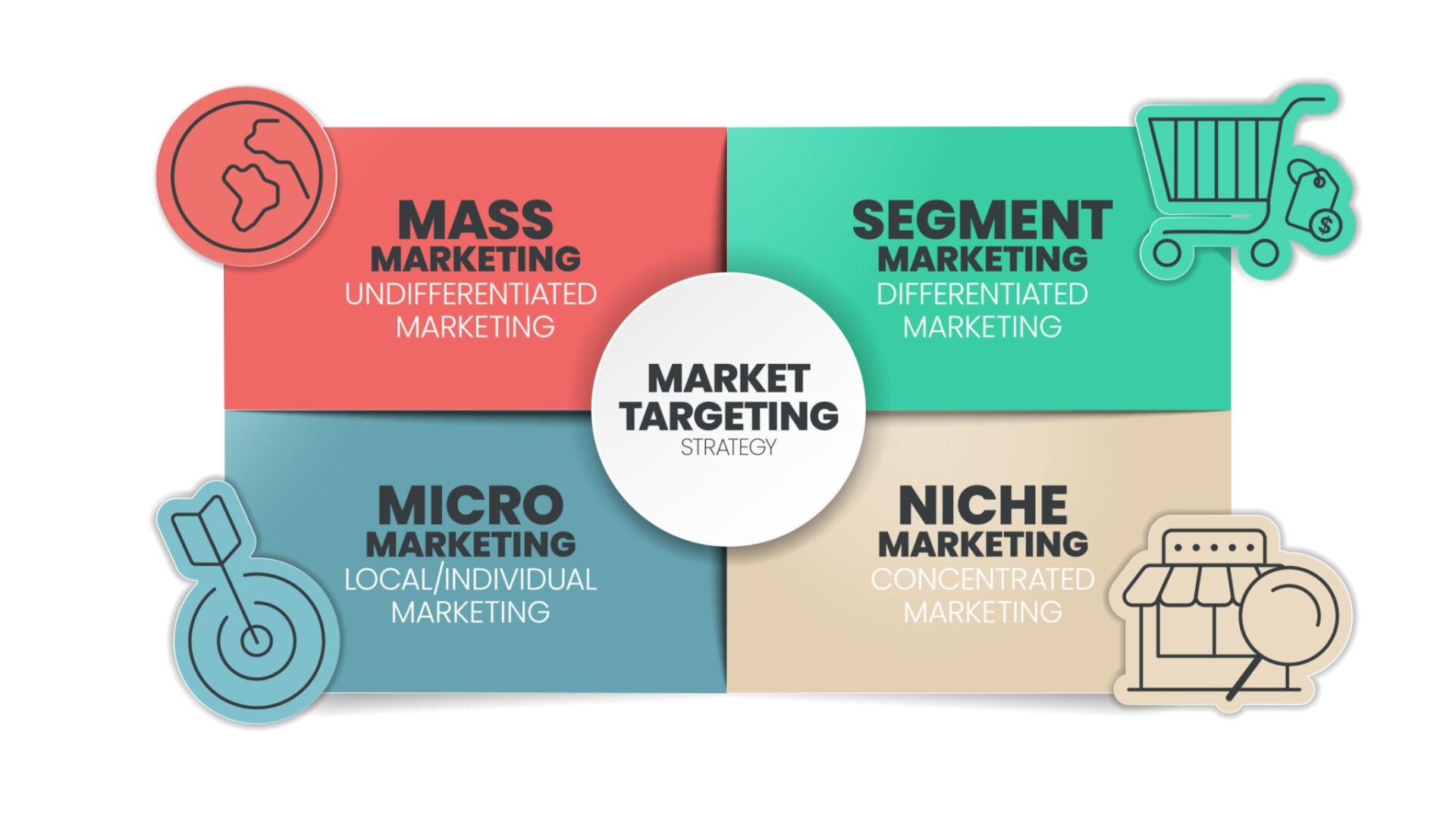
| Factor | Micromarketing | Mass Marketing |
| Audience | Highly specific | Broad |
| Messaging | Personalized | Generic |
| Cost | Lower (if done right) | Higher |
| Conversion | High | Low |
| Scalability | Slower initially | Faster |
👉 Brutal truth:
Mass marketing wastes money unless you already have brand power.
Why Micromarketing Works (And Why Most Ignore It)
People don’t respond to generic messaging anymore.
They respond to:
- “This is for me.”
- “This solves my exact problem.”
- “This understands my situation.”
Micromarketing works because it:
- Reduces ad spend waste
- Cuts through noise
- Builds trust faster
- Improves ROI
Real Micromarketing Examples
1. Hyper-Local Targeting
A café runs ads only within a 2 km radius during morning hours.
Result:
- Higher foot traffic
- Zero wasted impressions
👉 This is simple, but insanely effective.
2. Personalized Email Campaigns
Instead of: “Check out our new collection.”
They send: “Rakesh, here are 3 UI/UX tools that match your workflow.”
Result:
- Higher open rates
- More clicks
- Better conversions
3. Niche Product Positioning
Instead of: “Skincare for all”
Brand says: “Skincare for acne-prone teenage skin.”
That’s micromarketing.
And it wins.
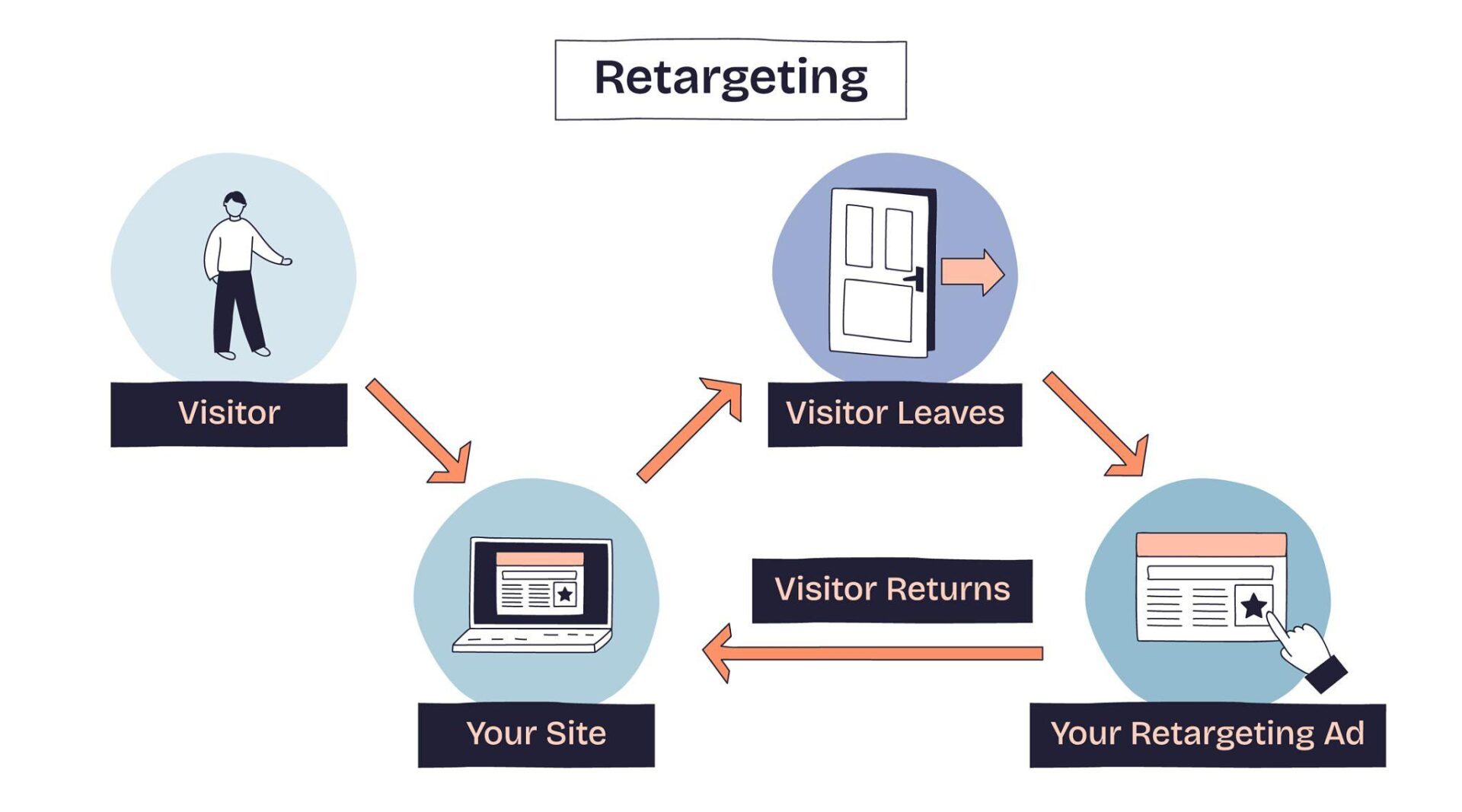
4. Retargeting Based on Behavior
User viewed a product but didn’t buy.
You show: “Still thinking about this? Here’s 10% off.”
Result:
- Recovery of lost sales
- Higher conversion rate
Example:
A local gym targeted office workers within 3 km radius using Google Ads.They created ads specifically for:
“Busy professionals who don’t have time for long workouts”Result:
– 3x increase in signups
– 40% lower ad cost
How to Implement Micromarketing (Step-by-Step)
1. Segment Your Audience (Non-Negotiable)
If you skip this, everything fails.
Segment based on:
- Age
- Location
- Interests
- Purchase behavior
👉 Weak segmentation = weak results.
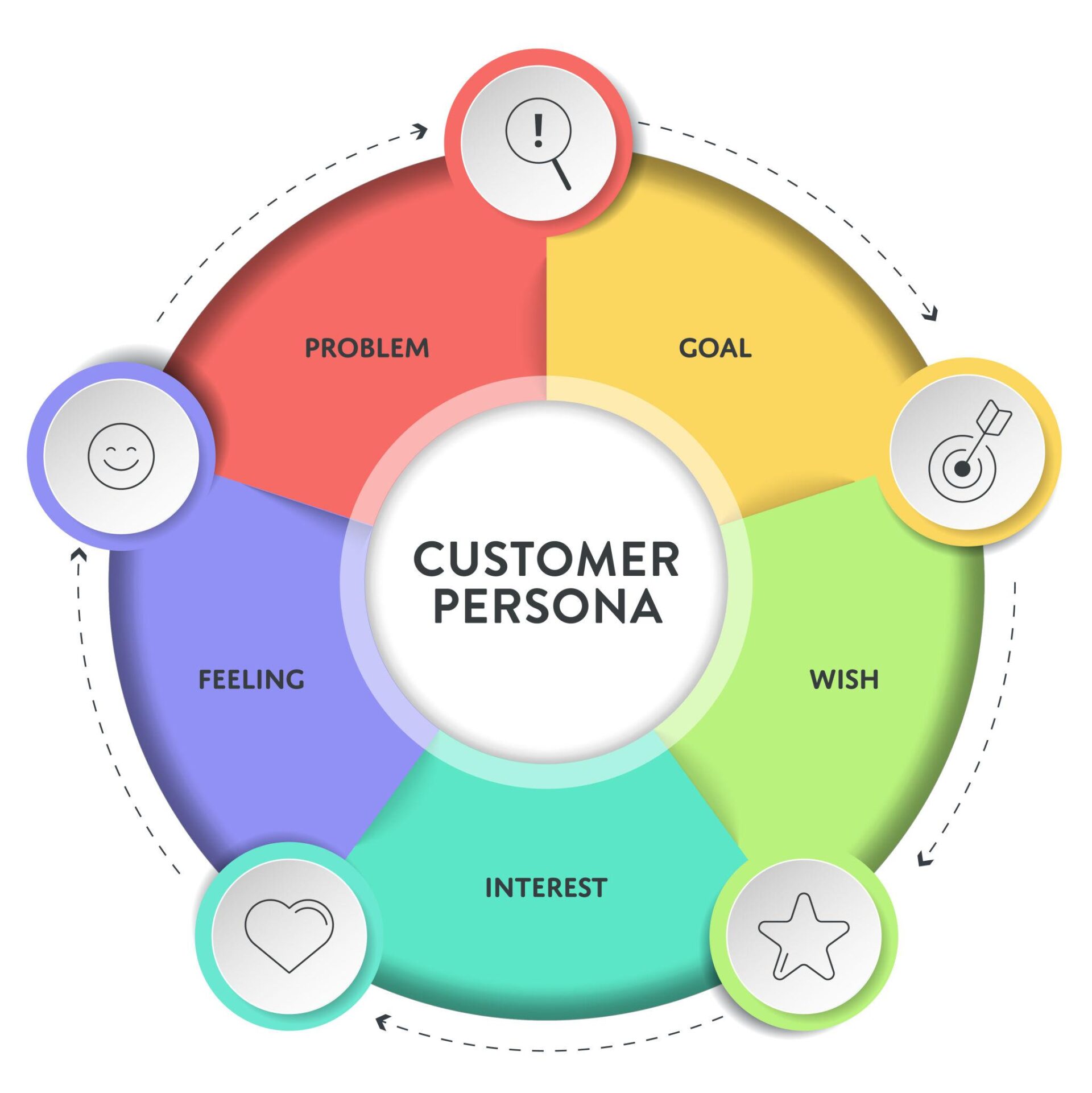
2. Build Customer Personas
Don’t just say “users.”
Define:
- Who they are
- What they want
- What they struggle with
Example: “25-year-old designer struggling to get freelance clients.”
Now your messaging becomes sharp.
3. Tailor Your Message
Your content should feel like: “This was written for me.”
Not: “This is for everyone.”
4. Use the Right Channels
Different audience = different platform:
- Gen Z → Instagram, TikTok
- Professionals → LinkedIn
- Buyers → Google Search
Stop being everywhere. Be where it matters.
5. Test and Optimize
Micromarketing is not guesswork.
Track:
- CTR
- Conversion rate
- Engagement
Kill what doesn’t work. Double down on what does.
Common Mistakes (That Will Kill Your Results)
Let’s be honest – most people screw this up.

❌ Targeting too broadly
You’re back to mass marketing.
❌ Over-segmentation
Too narrow = no scale.
❌ Weak messaging
Even perfect targeting fails with boring content.
❌ Ignoring data
If you’re not tracking, you’re guessing.
When Should You Use Micromarketing?
Use it when:
- You have a limited budget
- You’re starting out
- You want a higher ROI
- You sell niche products/services
Avoid it only if:
- You’re a massive brand with global recognition
Final Thoughts
Micromarketing isn’t optional anymore.
It’s the difference between:
- Spending money vs making money
- Being ignored vs being relevant
If your marketing feels like it’s not working, the problem is simple:
👉 You’re talking to the wrong people – or talki
Ready to Grow Your Business with Smart Marketing?
Micromarketing strategies work best when your business has a strong online presence and a conversion-focused website.
Without a properly optimized website, even highly targeted traffic won’t convert into real customers.
We can help you build:
✔ SEO-friendly website
✔ Conversion-focused UI/UX design
✔ Result-driven digital marketing strategy
If you’re serious about growing your business and turning visitors into customers, it’s time to take action.
👉 Explore our services: https://www.queryinfotech.com/



ExoWatts
07 July, 2026 11:56 pmGreat content! Keep up the good work!